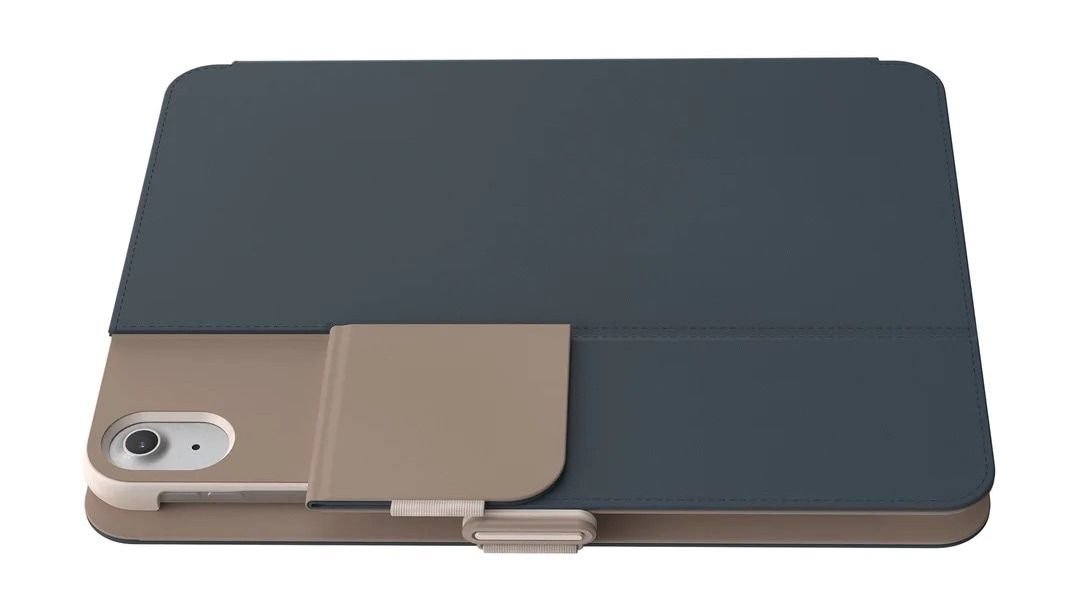
Maintaining your iPad 10th Generation case isn't just about keeping it looking good; it's a vital part of protecting your valuable device and extending its lifespan. Think of your case as your iPad's first line of defense against the bumps, scrapes, and spills of daily life. Neglecting your 10th gen iPad case means compromising that defense, potentially leading to costly repairs or a prematurely aged device. The right Care and Maintenance for iPad 10th Generation Cases ensures durability, preserves aesthetics, and saves you hassle and money in the long run.
This comprehensive guide will walk you through everything you need to know, from routine cleaning tips for various materials to understanding how external factors impact both your case and the iPad it protects.
At a Glance: Essential Case Care Takeaways
- Clean Regularly & Gently: Most cases benefit from a soft, damp, lint-free cloth. Avoid harsh chemicals or abrasive cleaners.
- Know Your Material: Different case materials (silicone, fabric, leather, plastic) require slightly different cleaning approaches.
- Mind the Temperature: Extreme heat or cold can degrade case materials and, more critically, harm your iPad.
- Prevent Port Obstructions: Ensure your case doesn't trap dirt near charging ports or buttons, which can cause damage.
- Inspect for Wear: Regularly check your case for cracks, loose edges, or structural damage that might compromise protection.
- Understand Warranty Limits: While your iPad has a warranty, most third-party cases have separate coverage (if any).
- Replace When Needed: A worn-out case offers diminished protection; know when it's time for a refresh.
Why Your iPad Case Deserves Attention
Your iPad 10th Gen is a significant investment, a hub for work, entertainment, and communication. Its case is designed to shield it from the inevitable impacts, scratches, and everyday grime that threaten its pristine condition and internal components. Over time, however, cases themselves accumulate dirt, oils, and wear. This isn't just an aesthetic problem; a dirty, damaged, or poorly maintained case can actually become a liability.
For instance, a build-up of grit inside the case can scratch your iPad's back. A stretched or cracked case might not absorb impacts effectively, transferring force directly to the device. Even seemingly minor issues, like a dirty charging port cover on your case, can lead to charging issues for the iPad itself. Proactive care ensures your case continues to perform its protective duty without fail.
Everyday Cleaning: Keeping Your Case Pristine
The best offense is a good defense, and the same goes for case maintenance. Regular, gentle cleaning prevents stubborn stains and extends the life of your case. Before cleaning any case, always remove your iPad from it.
General Cleaning Principles for All Cases
No matter the material, a few universal rules apply:
- Disconnect and Remove: Always remove your iPad from its case before cleaning. Disconnect all cables and turn off your iPad entirely (Settings > General > Shut Down).
- Soft & Lint-Free: Use a soft, lint-free cloth. Microfiber cloths, similar to those used for eyeglasses, are ideal.
- Slightly Damp is Key: Dampen the cloth with plain water. Avoid soaking the cloth or getting moisture into any openings on the case itself.
- Avoid Harsh Chemicals: Never use window cleaners, household cleaners, aerosol sprays, solvents, ammonia, abrasives, or hydrogen peroxide. These can strip protective coatings, discolor materials, or damage the case's integrity.
- Air Dry Thoroughly: Ensure the case is completely dry before reinserting your iPad.
Cleaning Specific Case Materials
While the general rules apply, each material has nuances.
Silicone and TPU Cases
These are popular for their grip, flexibility, and shock absorption. They're also prone to attracting dust and lint.
How to Clean:
- Remove the iPad.
- Wipe down the entire case with a soft, slightly damp, lint-free cloth.
- For tougher grime or stickiness, you can use a very small amount of mild hand soap mixed with water. Apply the soapy solution to your cloth, not directly to the case.
- Gently rub the soiled areas, then wipe thoroughly with a clean, damp cloth to remove any soap residue.
- Air dry completely. You can use another dry microfiber cloth to speed up the process.
Pro Tip: Silicone can sometimes become sticky due to oils from hands. A quick wipe with an alcohol-free screen cleaner (applied to the cloth first) can help, but test a small, inconspicuous area first.
Hard Plastic and Polycarbonate Cases
Known for their rigidity and often clear designs, these cases offer good scratch protection.
How to Clean:
- Remove the iPad.
- Use a soft, slightly damp, lint-free cloth to wipe away dust and smudges.
- For more persistent marks, a very mild soap solution (a drop of dish soap in water) applied to the cloth works well.
- Wipe clean with a plain damp cloth, then dry completely.
Pitfall to Avoid: Abrasive cloths or cleaners can easily scratch clear plastic cases, leaving them cloudy or marred.
Leather and Faux Leather Cases
Leather cases offer a premium feel and often develop a unique patina over time. Faux leather aims to mimic this look.
How to Clean Genuine Leather:
- Remove the iPad.
- Wipe gently with a soft, dry, lint-free cloth to remove surface dust.
- For minor smudges, slightly dampen a cloth with plain water and gently wipe. Avoid saturating the leather.
- For deeper cleaning or conditioning, use a leather cleaner or conditioner specifically designed for electronics or delicate leather goods. Apply sparingly to a clean cloth, then gently wipe the case. Follow product instructions.
- Allow to air dry completely, away from direct sunlight or heat.
Pitfall to Avoid: Water stains can be an issue with genuine leather. If it gets wet, blot immediately and let it air dry. Harsh chemicals will dry out and crack the leather.
How to Clean Faux Leather (PU Leather, Vegan Leather): - Remove the iPad.
- These materials are generally more resilient to water. Wipe with a soft, damp cloth.
- For stains, a mild soap solution (diluted dish soap) applied to the cloth can be effective.
- Wipe off any soap residue with a clean, damp cloth and dry thoroughly.
Pro Tip: Faux leather doesn't benefit from leather conditioners and can sometimes degrade faster with harsh cleaners. Stick to mild soap and water.
Fabric and Textile Cases
These cases offer unique textures and warmth but can be more challenging to clean due to their absorbent nature.
How to Clean:
- Remove the iPad.
- Use a lint roller or a soft brush to remove loose dust, crumbs, and debris.
- For spot cleaning, gently dab the affected area with a soft cloth slightly dampened with water and a tiny bit of mild detergent (like Woolite or a delicate fabric cleaner).
- Blot (don't rub) the stain, working from the outside in.
- Rinse the cloth and dab again with plain water to remove soap residue.
- Allow to air dry completely in a well-ventilated area, avoiding direct heat or sunlight.
Pitfall to Avoid: Over-wetting can lead to water marks, mildew, or damage to the underlying structure. Harsh scrubbing can damage fabric fibers.
Deep Cleaning Strategies and When to Use Them
Sometimes, a quick wipe isn't enough. When your case has endured significant spills, heavy build-up, or stubborn stains, a more thorough approach is necessary.
Dealing with Stubborn Stains
- Grease/Oil: For plastic or silicone cases, a cotton swab lightly dampened with rubbing alcohol (isopropyl alcohol, 70% concentration) can gently lift oil. Always test on an inconspicuous area first. Follow up with a damp cloth and air dry. For fabric, a gentle degreasing spray (like specific fabric stain removers) can work, but again, patch test.
- Ink/Dye: These are tough. For plastic/silicone, try the rubbing alcohol method cautiously. For leather, a specialized leather ink remover might be necessary. For fabric, act fast with a stain remover designed for dyes. Sometimes, these stains are permanent.
- Food/Drink: Start with the regular cleaning method for your case material. If a sticky residue remains, a slightly stronger soap solution might be needed for non-absorbent materials. For fabric, enzyme-based cleaners can help break down organic stains.
Disinfecting Your Case
In a world increasingly aware of germs, disinfecting your case can be a good idea, especially after being in public places.
Method:
- Remove your iPad.
- Lightly dampen a soft, lint-free cloth with a 70% isopropyl alcohol solution (rubbing alcohol). Do not spray alcohol directly onto the case.
- Wipe down all surfaces of the case.
- Allow the case to air dry completely for several minutes. Alcohol evaporates quickly, but ensure it's fully dry before putting your iPad back in.
Important Note: While Apple states not to use cleaning products or abrasives on the iPad itself (especially its oleophobic coating), using a 70% isopropyl alcohol wipe or Clorox Disinfecting Wipes on hard, nonporous surfaces like cases is generally acceptable. However, avoid overuse, as it can still affect some finishes over time. Never use bleach.
Protecting Your Case (and iPad) from Environmental Hazards
Care isn't just about cleaning; it's about prevention. Environmental factors significantly impact both your iPad and its case.
Temperature Extremes: A Silent Killer
Your iPad is designed to operate between 32° and 95° F (0° and 35° C) and to be stored between -4° and 113° F (-20° and 45° C). These ranges are critical.
- High Heat: Leaving your iPad (in its case) in a hot car, direct sunlight, or near a heating vent can cause the iPad's internal temperature to exceed normal operating limits. This not only shortens battery life and can damage internal components but can also degrade your case material. Plastic can warp, silicone can become sticky or brittle, and leather can dry out and crack.
- Extreme Cold: While less common for damage, very cold temperatures can also impact battery performance and the iPad's screen response. Some case materials may become more brittle and susceptible to cracking in freezing conditions.
Prevention: Always keep your iPad and its case out of direct sunlight and extreme temperatures. If your iPad displays a temperature warning, move it to a cooler location immediately and let it cool down before use. The case might amplify heat retention in extreme conditions, so consider removing it in very hot environments if your iPad feels warm.
Moisture and Humidity
While many cases offer some spill protection, none make your iPad fully waterproof (unless specifically designed as such, and even then, often with limitations).
- Avoid Submerging: Never submerge your case in water, even for cleaning, unless it's explicitly rated for immersion and you're confident in its seals.
- Humidity: High humidity environments can contribute to mildew on fabric cases or corrosion on metallic elements of certain cases over long periods. Store your iPad in a dry place.
- Spills: If liquids spill on your case, wipe them off immediately. For your iPad, Apple advises cleaning it immediately if it contacts anything that may cause stains or damage, such as dirt, sand, ink, makeup, soap, detergent, acids, acidic foods, or lotions. This same urgency should apply to your case.
Dirt, Dust, and Debris
Small particles can be surprisingly damaging.
- Inside the Case: Periodically remove your iPad and wipe down the inside of the case and the back of your iPad. Fine grit trapped between the iPad and its case can cause micro-scratches over time.
- Port Openings: Cases often have precise cutouts for ports. Dirt, dust, or lint can accumulate here, obstructing connectors. Apple warns that discoloration of the Lightning connector is normal due to dirt, debris, or moisture. If your iPad won't charge or sync, clean the Lightning connector with a soft, dry, lint-free cloth. Ensure your case isn't introducing these obstructions.
The Longevity of Cables and Connectors (and Your Case's Role)
Your case often dictates how your iPad's ports and cables are accessed and treated. Improper handling can lead to damage not covered by warranty.
- Connector Stress: Some cases can make it difficult to insert or remove charging cables, or they might put undue pressure on the cable's connection point if the cutout isn't perfectly sized. Always ensure connectors fit easily without force. If a connector and port don't join easily, check for obstructions and ensure they match and are positioned correctly.
- Cable Fraying: Repeatedly bending cables in the same spot, especially near the connector, leads to fraying. While the case itself might not cause this, poor cable management or a case that restricts natural cable movement can contribute. Aim for gentle curves when connecting and disconnecting cables. Regularly inspect your cables for kinks, breaks, or damage. Discontinue use if damage is found.
- Button and Port Damage: Never force a connector into a port or apply excessive pressure to a button. Ensure your case allows for natural, unhindered access to buttons without requiring excessive force.
When to Replace Your Case
Even the best-maintained case won't last forever. Knowing when to replace it is crucial for continued iPad protection.
Look out for these signs:
- Cracks or Breaks: Any structural crack, especially around corners or edges, significantly compromises impact protection.
- Loose Fit: If your iPad is no longer snug in the case, or if edges are peeling away, it won't hold the device securely during a fall.
- Warping or Stretching: This is common in silicone or TPU cases that have been exposed to heat or frequent stretching.
- Degraded Material: Fading, discoloration, stickiness (for silicone), or excessive flaking (for faux leather) indicates the material is breaking down.
- Damaged Camera/Port Cutouts: If these areas are chipped or worn, they can expose sensitive parts of your iPad.
- Hinge or Stand Issues: For folio or stand cases, if the hinge becomes loose or the stand mechanism no longer holds the iPad securely, its utility is diminished.
While cosmetic wear is often acceptable, any sign of compromised structural integrity means your case is failing its primary job: protecting your iPad. It's often cheaper to replace a case than to repair a damaged iPad screen.
Understanding Warranty and Service for Your iPad (and Its Case)
It's important to distinguish between coverage for your iPad and for its case.
Apple's iPad Warranty and AppleCare+
- Apple Limited Warranty: Your iPad and Apple-branded accessories (like the Apple Pencil, Smart Keyboard Folio, etc., if included or purchased separately) are covered against manufacturing defects for one year. This generally does not cover accidental damage to your iPad, nor does it cover third-party cases.
- AppleCare+: This optional plan significantly enhances coverage. It includes battery service (replacement if capacity drops below 80%) and coverage for accidental damage from handling (for your iPad, Apple Pencil, or Smart Keyboard), with each incident subject to a service fee. Importantly, AppleCare+ covers the iPad itself (and Apple-branded accessories), not necessarily the case, especially if it's a third-party brand.
- Service Fees: Screen damage or other accidental damage to your iPad not covered by the standard warranty will incur a service fee. This reinforces why a protective case and proper maintenance are so vital – they help prevent these incidents.
Third-Party Case Warranties
Most third-party case manufacturers offer their own limited warranties, which vary widely. These typically cover manufacturing defects (like seams coming undone or buttons falling off) but rarely cover normal wear and tear or damage resulting from drops while the case was in use. Always check the specific warranty provided by your case manufacturer at the time of purchase.
Key Takeaway: Don't rely on your case's warranty to protect your iPad. Its warranty is for the case itself. Your iPad's protection comes from the case's physical integrity and, for comprehensive coverage, from AppleCare+.
Making Your Case Last: Best Practices for Longevity
Beyond cleaning, adopting good habits can significantly extend the life of your iPad case.
- Handle with Care: Always pick up your iPad carefully, avoiding grabbing it by a single corner of the case.
- Avoid Overstuffing: If your case has pockets, don't overfill them, as this can stretch the material or put pressure on the iPad.
- Protect from Sharp Objects: Don't store your iPad with keys, pens, or other sharp objects that could scratch the case or, worse, the screen if the case offers minimal front protection.
- Regular Inspection: Make it a habit to remove your iPad from its case once a month for a thorough check of both the device and the case for any signs of damage or trapped debris.
- Store Properly: When not in use, keep your iPad and case in a clean, dry, temperate environment.
Your iPad Deserves the Best Defense
Investing in an iPad 10th Generation case is a smart move, but treating that case as an afterthought is a costly mistake. By dedicating a little time to routine Care and Maintenance for iPad 10th Generation Cases, you're not just preserving the look of your accessory; you're actively safeguarding your iPad against daily hazards, extending its functional life, and maintaining its resale value. It's a simple investment of effort that pays dividends in peace of mind and device longevity.